

News Coverage Just Became Fair Game on LinkedIn
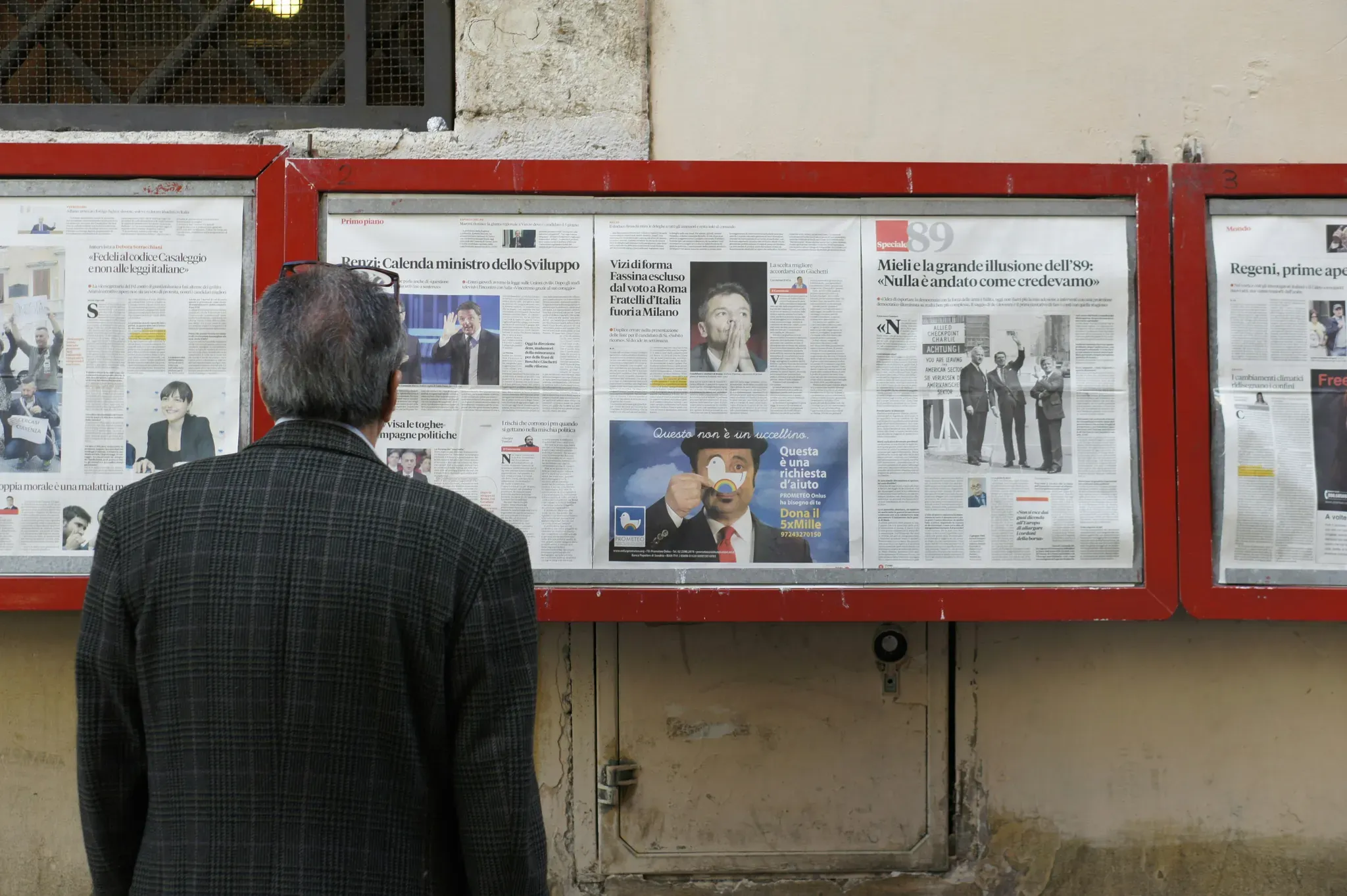
LinkedIn announced a major policy shift: they're now allowing "potentially offensive materials" that have news or historical value.
They're opening the floodgates to news content. And your carefully crafted thought leadership posts are about to get drowned out.
Why This Is Bigger Than It Sounds
Everyone's focused on the "offensive materials" angle. That's not the story.
The story is that LinkedIn is explicitly inviting news publishers, journalists, and media outlets to treat their platform like Twitter 2.0. They want to become a media platform, not just a professional network. And media platforms run on one thing: engagement bait.
LinkedIn's algorithm rewards engagement. It doesn't care if that engagement comes from genuine professional value or from people arguing about the latest headline. Engagement is engagement.
Your thoughtful post about sales enablement best practices? That's now competing with breaking news about tech layoffs, political controversy, and whatever clickbait headlines media outlets can dream up.
The algorithm doesn't distinguish between "this added professional value" and "this made people mad enough to comment." It just sees numbers.
What This Means for Your Content Strategy
You've probably already noticed.
Organic reach is getting harder. Posts that would've gotten 5,000 impressions last year now get 500. You're publishing more and getting less.
This change makes that problem exponentially worse. Here's why.
Media outlets are professional engagement machines. They have teams of editors whose entire job is crafting headlines that make you click. They have decades of data on what drives shares and comments. They have breaking news that's inherently more attention-grabbing than your case study about how Company X improved their conversion rates by 47%.
You're not competing against other B2B marketers anymore. You're competing against The Wall Street Journal, TechCrunch, and every media outlet that's been looking for a Twitter alternative since that platform imploded.
The playing field just tilted dramatically against you. And the old playbook — post more content, optimize your headlines, pray for engagement — isn't going to cut it.
The Broadcasting Strategy Is Officially Dead
Here's what most B2B marketers are going to do: panic and post more. More thought leadership. More company updates. More blog post links. Hoping that volume will make up for declining reach.
It won't work.
The marketers who win in this new reality won't be the ones posting more. They'll be the ones who recognize that LinkedIn is shifting from a broadcasting platform to an engagement platform. The path to visibility isn't through what you post. It's through who engages with you and what signals they're sending.
The Only Strategy That Survives This
If broadcasting is dead, what actually works? Engagement-based marketing. Not engagement on your own posts — engagement with your prospects before you ever try to sell them anything.
Here's what that looks like in practice.
Instead of posting content and hoping your ICP sees it in their noisy feed, you:
- Identify your target accounts. Get specific. Which 100 companies do you actually want to close this quarter? Which job titles at those companies are your buyers?
- Engage with their content consistently. When your prospect posts, you're there with a thoughtful comment. When they share an article, you engage. When they celebrate a company milestone, you congratulate them. You become a familiar name in their notifications.
- Track who engages back. This is the critical part. Not everyone you engage with will engage back, and that's fine. But the ones who do — who like your comment, reply to you, or engage with your content in return — are sending you a signal. They're telling you they're open to conversation.
- Follow up when signals are strongest. When someone from your target account starts engaging with you or your team consistently, that's when you reach out. Not with a cold message. With a warm one that references the mutual engagement.
The math is completely different. You're not fighting the algorithm to get your content seen by strangers. You're building visibility with specific people at specific companies. The noise in the feed doesn't matter because you're creating direct touchpoints with decision-makers.
What to Do This Week
Stop investing in strategies that depend on the algorithm showing your content to the right people. The algorithm is about to get a lot worse at that job.
Start building a system that doesn't depend on algorithmic reach. Here's where to begin.
- Audit your current LinkedIn strategy. How much time are you spending creating content versus engaging with target accounts? For most B2B teams, it's 80/20 in favor of content creation. That ratio needs to flip.
- Identify your top 50 target accounts for this quarter. Export the decision-makers' LinkedIn profiles. This is your engagement list.
- Have your marketing and sales teams start engaging with that list daily. Five minutes per person, genuine comments on their posts. Track who engages back.
- Build a system to track engagement signals across your team. Spreadsheet, CRM workflow, or dedicated tool — doesn't matter. What matters is visibility into who's showing interest.
This shift from broadcasting to engagement-based marketing was already happening. LinkedIn's news policy change just accelerated it by about two years. The feed is about to get impossibly noisy. The teams that adapt fastest will win. The ones that keep posting into the void will wonder why LinkedIn stopped working.
The platform didn't stop working. The game just changed. And the teams that recognize engagement as the new currency will be the ones generating pipeline while their competitors complain about declining organic reach.